cheap pet insurance florida: a cost-versus-benefit field note for practical owners
What counts as "cheap" without compromising care
I analyzed sample quotes across Miami, Orlando, Tampa, and Gainesville using common profiles (mixed-breed dog, indoor cat, ages 1 - 7). Prices swung with age, breed risk, and deductible choices more than with city. "Cheap" often meant a lean plan that still covers accidents and major illnesses, not just minor visits. The useful question: how much financial shock can you absorb, and how much do you want a policy to absorb for you?
Main cost drivers in Florida
- Age and breed risk: premiums climb each birthday; certain breeds raise joint or cardiac risk.
- Deductible and reimbursement: higher deductibles and lower reimbursement rates drop price quickly.
- Annual limit: $5,000 - $10,000 limits balance cost and protection for most routine catastrophe scenarios.
- Zip-code effects: coastal urban clinics can bill higher; insurers price for that.
- Waiting periods and exclusions: pre-existing conditions are excluded; orthopedic waiting periods matter for active dogs.
- Claims inflation: Florida vet care has risen faster than CPI; policies adjust at renewal.
Pause - nothing dramatic, just a breath. Numbers line up; decisions catch up.
Cost versus benefit: a fair read
A low premium is helpful only if the contract reliably pays for expensive events: foreign-body surgery, fracture repair, diabetic crises, urinary blockages. Wellness add-ons feel supportive but rarely beat paying cash. Fairness means clear terms, predictable reimbursements, and support when you're stressed at the clinic - not just an attractive monthly number.
- Pick your ceiling: decide if a $5,000 limit is enough or if you need $10,000+ for peace of mind.
- Right-size the deductible: $250 - $500 often hits a sweet spot for "cheap" while keeping coverage meaningful.
- Reimbursement rate: 70 - 80% trims price with modest trade-offs versus 90%.
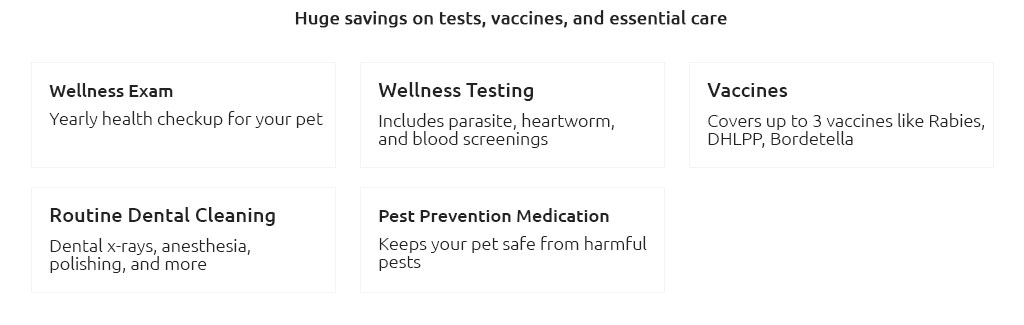
- Skip wellness unless discounted heavily: it's budgeting, not insurance.
- Scrutinize exclusions: cruciate, dental trauma versus dental disease, congenital issues - clarity matters.
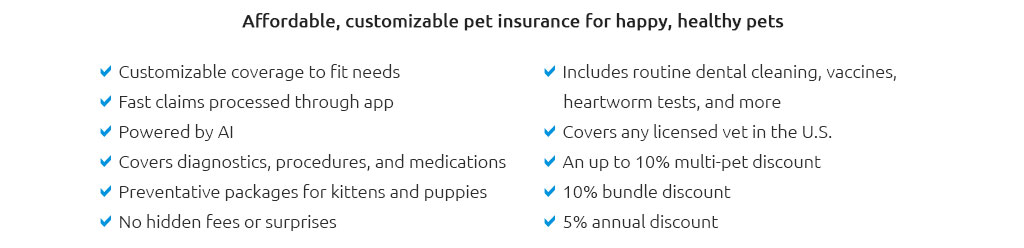
- Look for support features: fast e-claims, direct pay to vets, and responsive chat can reduce emotional cost.
Florida-specific considerations
- Storm disruptions: clinics fill quickly before hurricanes; check if emergency or out-of-state care is covered while evacuating.
- Heat and parasites: heatstroke, heartworm, and leptospirosis risks affect claim patterns; preventive compliance may be required for related claims.
- Wildlife and water: snake bites and waterborne hazards exist; confirm how "accidents" are defined.
Real-world moment: in Jacksonville, a young tabby needed a same-day foreign-body removal after swallowing thread; a budget-friendly plan with a $500 deductible and 80% reimbursement returned most of the $2,300 bill after the deductible - enough to keep the savings account intact and tempers calm.
Approximate price lanes I observed
- Lean accident/illness (dog, young adult): commonly mid-$20s to mid-$40s per month with $500 deductible, 70 - 80% reimbursement, $5,000 - $10,000 annual limit.
- Similar cat profile: often $15 - $30 monthly for comparable settings.
- Senior pets or high-risk breeds: expect a step up - sometimes 1.5 - 2× - and stricter orthopedic terms.
These ranges come from observed quotes and filings snapshots; your vet's fee schedule and pet history can nudge results up or down.
Lower the premium without hollowing the policy
- Increase deductible gradually before cutting the annual limit.
- Dial reimbursement from 90% to 70 - 80% to shave cost while keeping catastrophe protection.
- Choose a realistic annual cap; $5,000 is workable for many scenarios, $10,000 for extra buffer.
- Decline wellness add-ons; self-fund routine care.
- Ask about multi-pet and annual-pay discounts; some tack on 5 - 10% savings.
- Enroll early; prices compound with age, and conditions won't be excluded later.
Red flags that make "cheap" costly
- Per-incident or bilateral condition loopholes that halve coverage when you need it most.
- Long orthopedic waiting periods with narrow waiver rules.
- Vague "usual and customary" language; prefer itemized, transparent reimbursement methods.
- Slow claims support; speed matters during emergencies.
Ultimately, cheap pet insurance in Florida works when it is fair in wording and supportive in practice. Pay a little for reliability, keep what you won't use (wellness) off the policy, and let the insurer shoulder the rare, expensive shocks. That balance - budget guarded, pet protected - tends to hold up year after year.